DBT Skills Made Simple: Everyday Tools for Emotional Balance
Life can feel overwhelming at times. Emotions rise quickly, stress piles up, and before we know it, we’re reacting in ways that don’t match who we truly want to be. That’s where DBT—Dialectical Behavior Therapy—comes in.
Created by psychologist Marsha Linehan, DBT was originally developed to support people with very intense emotions. But over the years, these skills have proven to be helpful for just about everyone. Why? Because DBT isn’t just a therapy—it’s a toolkit for navigating life with more balance, clarity, and compassion.
In this post, let’s break down the four core DBT skill areas in simple terms, with examples of how you can use them in everyday life—and a few extra tools to make practicing these skills easier.
1. Mindfulness: Learning to Be Here Now
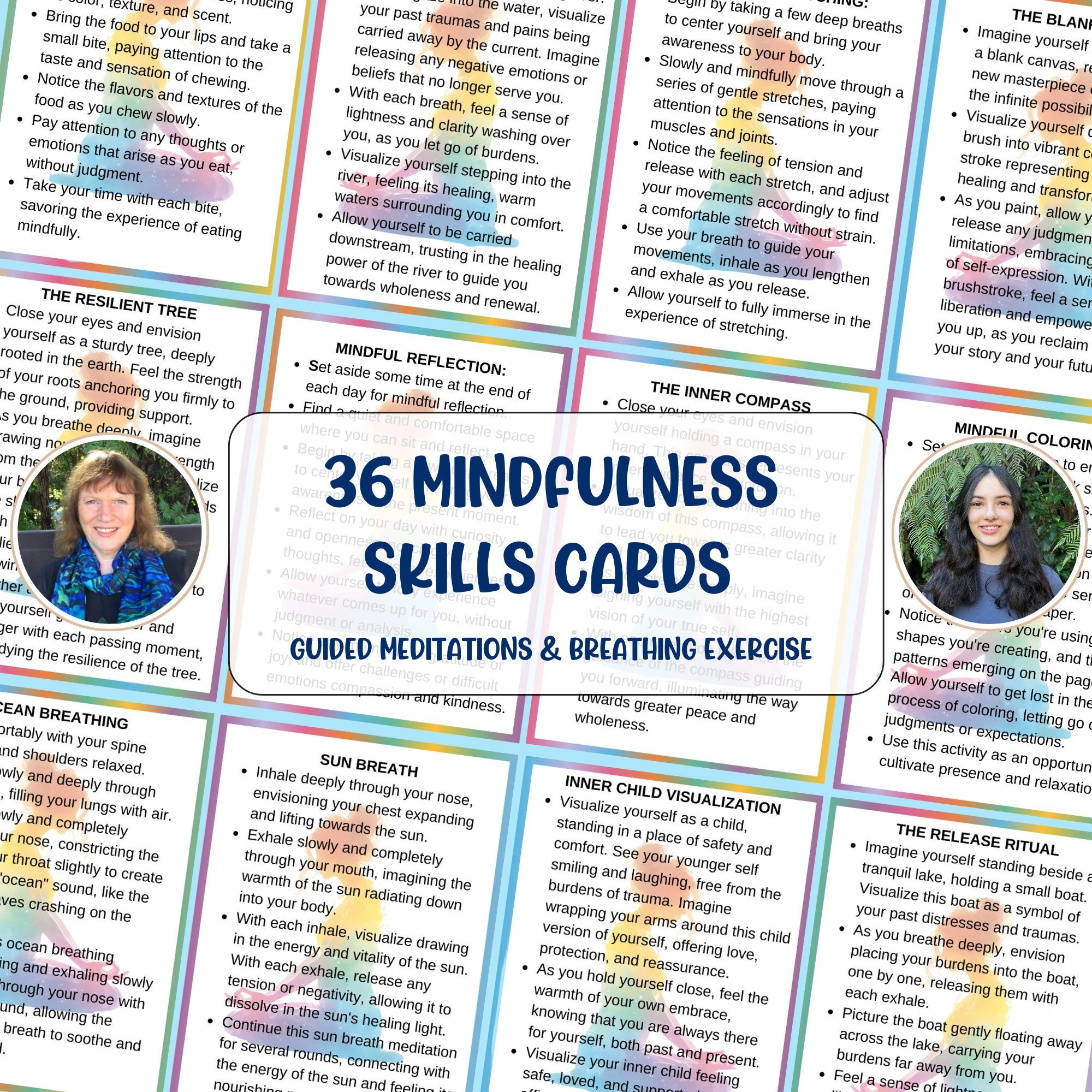
At the heart of DBT is mindfulness. This means noticing the present moment without judgment. Instead of getting swept away by worries about the future or regrets from the past, mindfulness helps us anchor to right now.
Simple ways to practice mindfulness in daily life:
When eating, notice the colors, textures, and flavors of your food instead of rushing.
Pause before reacting in a heated conversation—take a slow breath and check in with how you feel.
Spend one minute simply noticing your surroundings: sounds, sights, sensations.
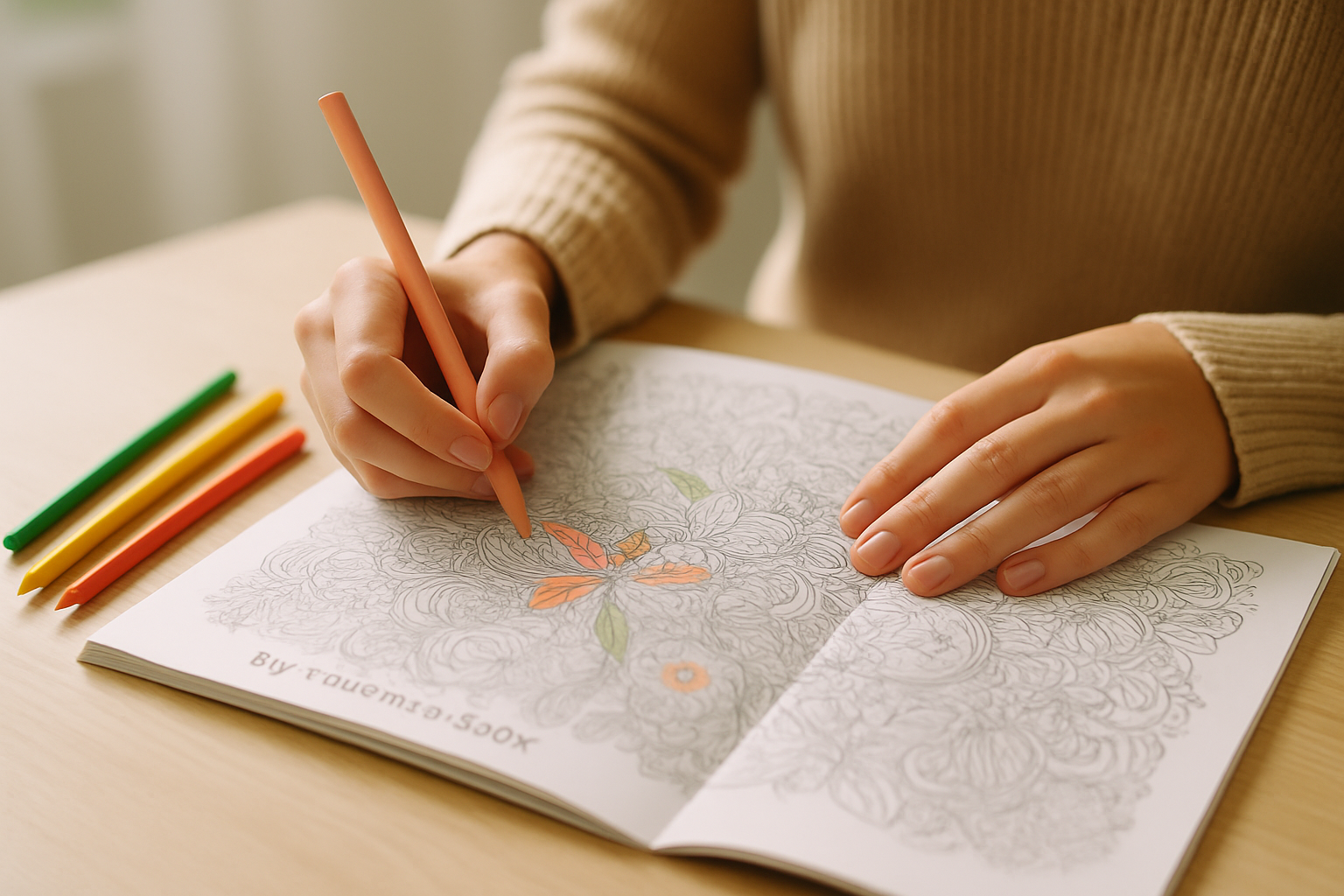
A simple support: Our DBT Colouring Book is designed to turn mindfulness into something calming and creative. Colouring can help slow your thoughts, bring you back into the moment, and offer a soothing break when you need it most.
2. Distress Tolerance: Surviving the Tough Moments
Sometimes life throws us into situations that are just plain hard. We can’t change them right away, but we can choose how to survive them without making things worse. This is where distress tolerance comes in.
Simple distress tolerance strategies include:
Holding an ice cube in your hand to ground yourself when emotions feel overwhelming.
Splashing cool water on your face to reset your nervous system.
Creating a “distraction list” of healthy activities—like reading, going for a walk, or calling a supportive friend—for times when you feel stuck in spiraling thoughts.
Distress tolerance doesn’t erase the problem, but it gives you a lifeline to hold onto until the wave passes.
3. Emotion Regulation: Understanding and Managing Feelings
Emotions are powerful messengers. But when they get too intense, they can cloud our judgment or push us into reactions we regret. DBT teaches us how to understand our feelings and respond in healthier ways.
Ways to practice emotion regulation:
Identify your emotions clearly. Instead of saying “I feel bad,” ask: “Am I sad, anxious, angry, or something else?”
Check the facts. Ask yourself: “Does my emotional reaction fit the situation, or is it based on old fears or assumptions?”
Build up positive experiences. Plan small, enjoyable activities regularly so that positive emotions have a chance to grow.
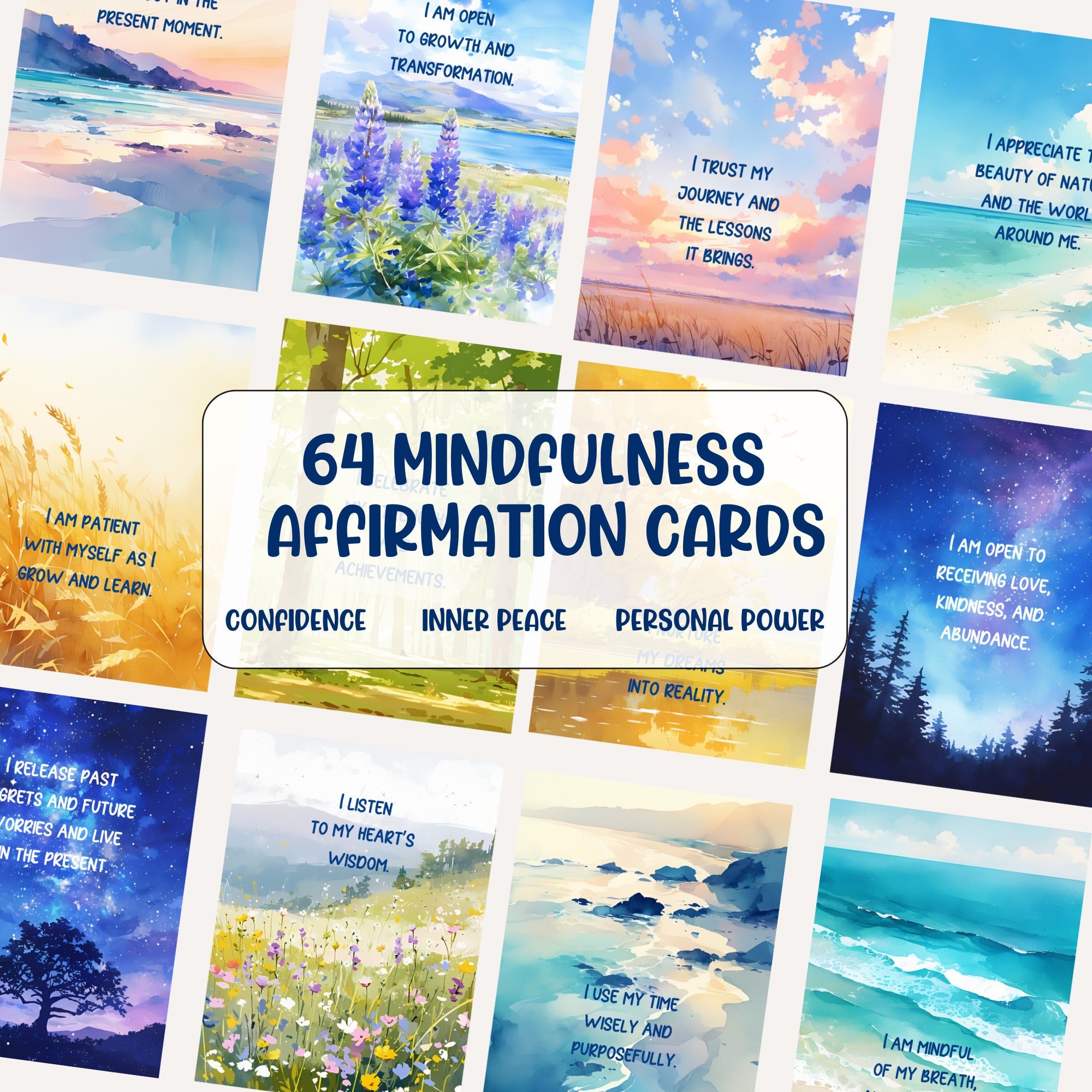
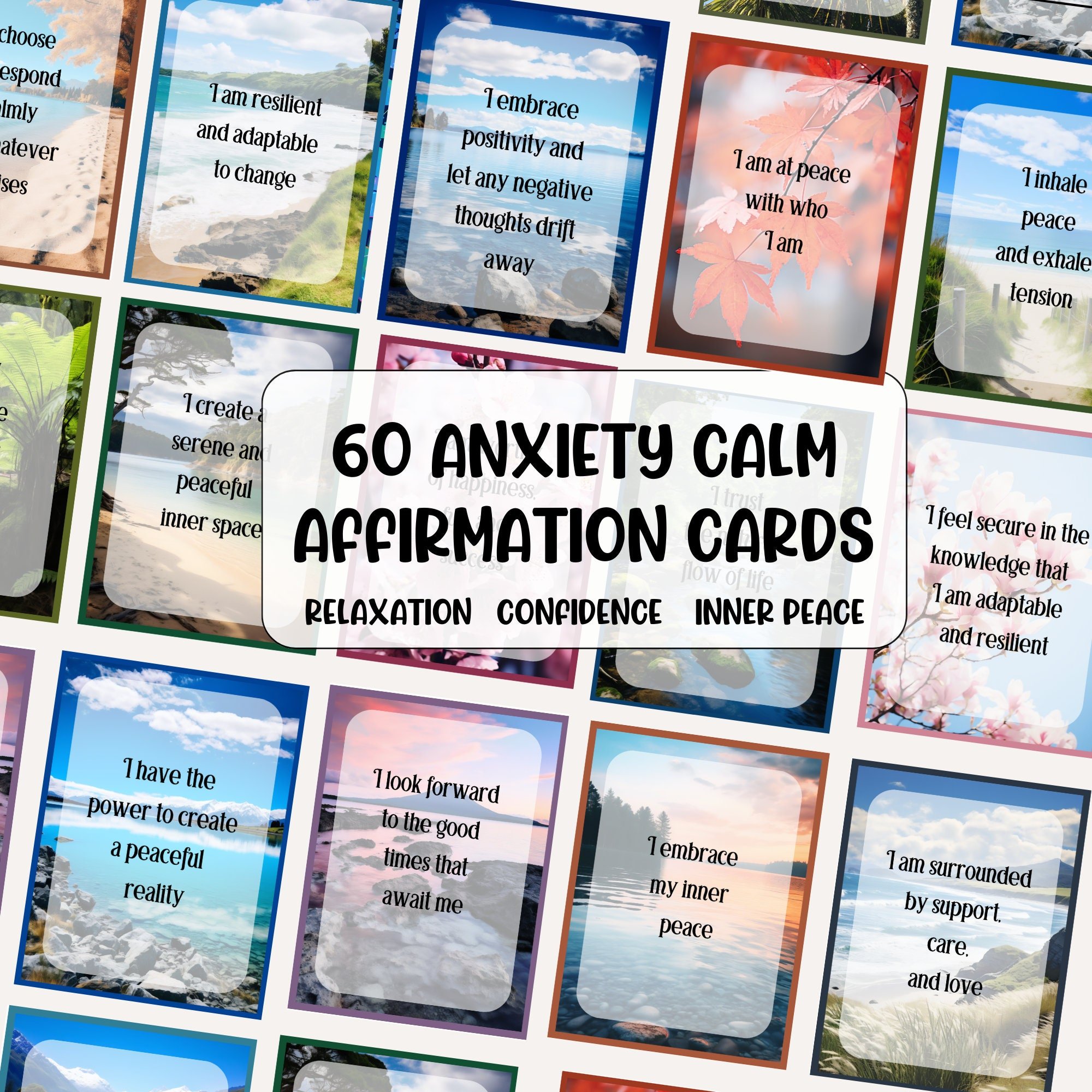
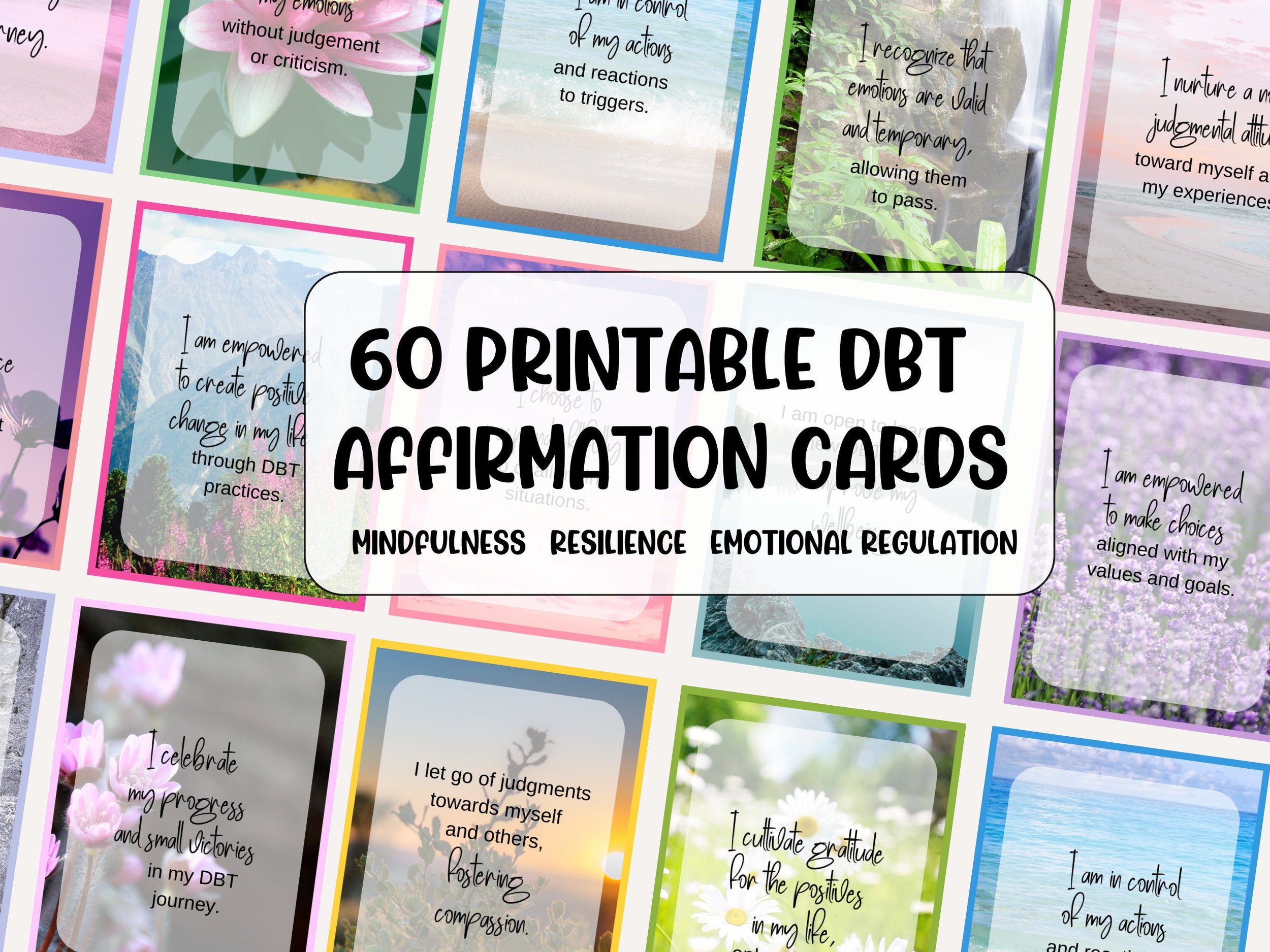
A simple support: Our DBT Affirmation Cards can be a gentle daily reminder when emotions feel heavy. Each card offers encouragement to reframe your thoughts and boost your confidence, helping you regulate and steady yourself in challenging moments.
4. Interpersonal Effectiveness: Communicating with Respect and Clarity
Relationships are at the core of human life. DBT offers tools for expressing needs, setting boundaries, and respecting both yourself and others. This helps create healthier connections without sacrificing your wellbeing.
Examples of interpersonal effectiveness skills:
DEAR MAN technique: A DBT acronym that guides you to Describe, Express, Assert, and Reinforce while staying Mindful, Appearing confident, and Negotiating if needed.
Saying “no” firmly but kindly when you can’t take on more responsibilities.
Asking clearly for what you need instead of hinting or hoping someone will guess.
DBT Is About Balance, Not Perfection
One of the most powerful aspects of DBT is that it teaches us to hold two truths at the same time. For example: I’m doing the best I can right now and I can keep learning to do better. This is the “dialectic” in dialectical behavior therapy.
You don’t need to master every skill overnight. Think of DBT as a toolbox: some days you’ll need mindfulness, other days you’ll lean on distress tolerance or emotion regulation. The goal is not perfection but progress—a gentler, more balanced way of navigating life’s ups and downs.
Final Thought
Whether you’re managing daily stress, navigating a difficult relationship, or trying to break old habits, DBT skills can help. They offer practical, real-world ways to stay grounded, manage emotions, and build healthier connections.
And remember—you don’t have to do it alone. Supportive resources can help make the skills easier to use. Our DBT Affirmation Cards provide daily encouragement for managing emotions and building confidence, while the DBT Colouring Book makes mindfulness both soothing and creative. Together, they can help you bring DBT off the page and into your everyday life.


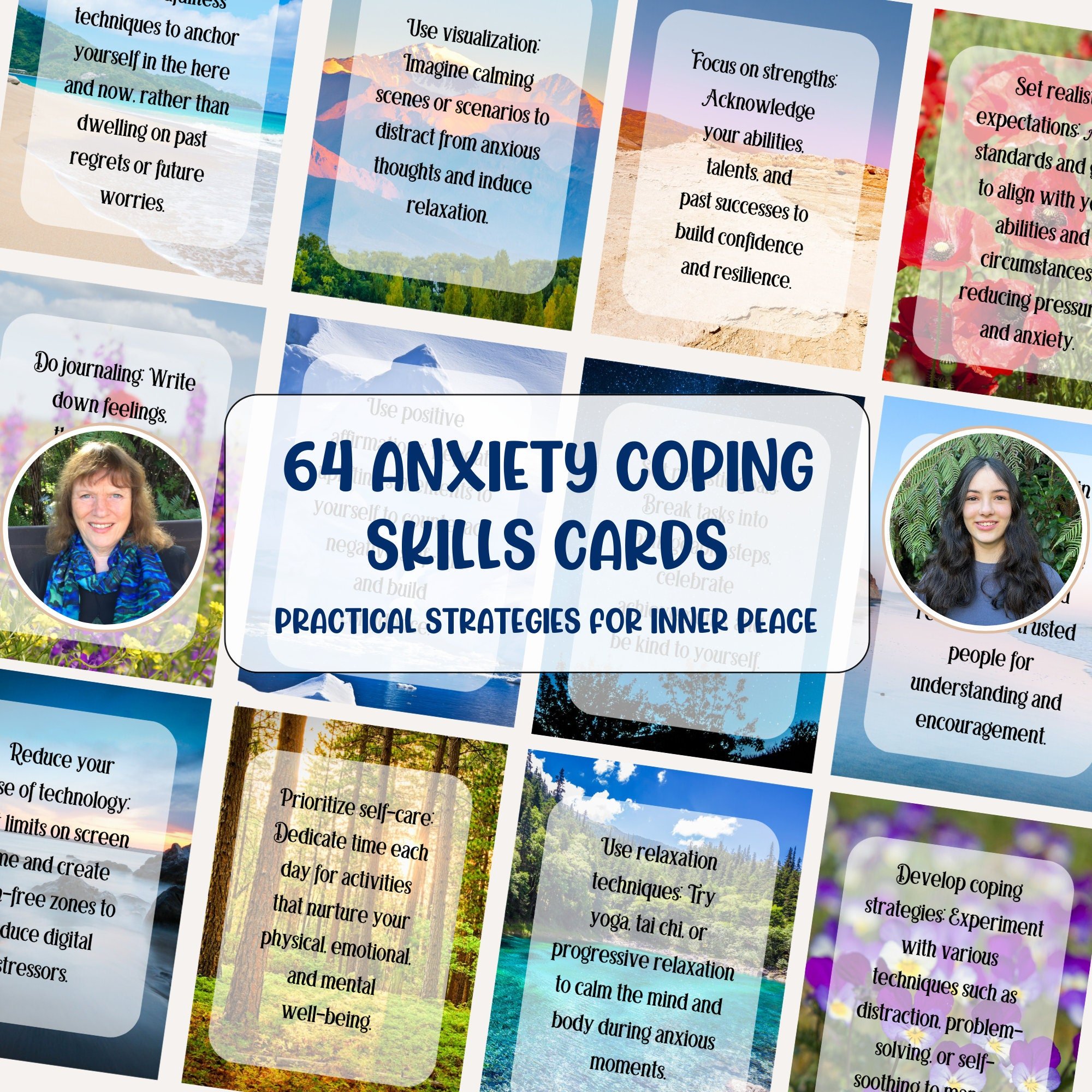
Our 64 Vagus Nerve Exercise Cards are designed to promote nervous system regulation, and support mental health. Perfect for polyvagal therapy, these cards provide somatic exercises for emotional regulation, and trauma recovery, offering practical tools for stress management, anxiety, and PTSD.
Research shows that the vagus nerve plays a key role in calming your body and mind, helping you manage stress, regulate emotions, and heal from trauma through simple, effective exercises. Each card features a focused vagus nerve exercise or coping skill, helping you integrate therapy tools into your daily routine. Whether you're a professional using these as trauma therapy resources or someone seeking personal growth, these cards are ideal for nervous system support.
These therapy resources are grounded in polyvagal theory, offering insights into nervous system regulation through accessible, hands-on practices. Use them to build self-awareness, foster emotional stability, and support healing from trauma.
These 64 Somatic Exercise Cards are available as a PDF file for immediate printing and use. They also make a practical gift.
::::: WAYS TO USE VAGUS NERVE PRACTICE CARDS L :::::
DAILY PRACTICE: Draw a card to set an intention for your nervous system regulation practice that day.
IN-THE-MOMENT CALM: When feeling overwhelmed, pick a card at random and practice the suggested technique.
THEMATIC FOCUS: Organize the cards by type and choose one based on your current needs.
GUIDED ROUTINE: Select 2–3 cards and create a mini routine for a full vagus nerve reset.
PAIR WITH JOURNALLING: After practicing from a card, write about how it made you feel different.
USE BEFORE SLEEP: Choose a card focused on calming the nervous system as part of your night time routine.
SHARE IN A GROUP: Use the cards with friends, family, or clients as a shared nervous system regulation activity.
PERSONALIZE YOUR SELECTION: Keep your most effective vagus nerve exercises on hand for quick access.
:::: AFTER YOUR PURCHASE ::::
Thank you for deciding to purchase these Trauma recovery strategy cards.
Please note that this art is a digital download only. No physical print will be shipped to you. After you make your purchase, you will be sent a download link. The link expires 24 hours after the purchase. If you click an expired link, you will be sent a new link to the email address used for the initial purchase.
:::: PRINTING ::::
You can print on your own computer or take the file to your favourite print shop for printing. If printing at home set your printer to “100%” or “Actual Size” before printing (not to “Fit”).
Please note, when printed the colours may vary from what you see here due to monitor calibration, print settings and material type. The quality of printed images depends on the quality of your printer.
:::: ASSISTANCE ::::
Please contact us if you need any assistance. We will be happy to help.
:::: WHAT YOU WILL RECEIVE ::::
You will receive 2 x 17-page files in PDF format - 1 for A4 size and the other for US Letter size.
There are 4 affirmations per page - 64 strategy cards in total.
:::: FOR PERSONAL USE ONLY ::::
All downloads and prints from our shop are for personal use only. You can print this product as many times as you like for yourself, give it as a gift or share it with therapy clients or students. However, reselling, or any commercial use of this product is not allowed. You may not alter, copy, or share these files under any circumstances.
:::: REFUNDS / RETURNS / EXCHANGES ::::
Due to this product being a digital file, we do not offer refunds, exchanges, returns, or cancellations. Don't hesitate to get in touch with us if you have any problems with your order or have any questions.
:::: THANK YOU FOR VISITING OUR SHOP ::::
If you have any queries or questions, please feel free to message us. We will reply as soon as possible.
Our best wishes,
Kay and Julia xx